Single vs Double-Entry Accounting: Which Is Best?

Although it best fits small businesses, that doesn’t mean there aren’t advantages–simplicity is the most effective form of sophistication. The critical difference between the two systems lies in their purpose. The double-entry system is primarily used for accounting purposes. In contrast, the double account system is mainly used for budgeting and financial planning. As such, the double-entry system tracks both inflows and outflows of cash, while single entry vs double entry bookkeeping the double-account system only tracks one type of transaction (either inflows or outflows).
Single-entry bookkeeping: record as you go
Single-entry bookkeeping, or “Einnahme-Überschuss-Rechnung” in German, is a straightforward method for small businesses with manageable business processes. On top of that, any business that handles anything other than cash transactions needs to use double-entry bookkeeping. For example, if your business buys or sells on credit, then you need to implement a double-entry system. Unless you’re already well-versed in bookkeeping and financial management, it can be hard to know which one to choose for your business. However, this method provides only a partial view of financial health, as it excludes crucial elements such as fixed assets, liabilities, and owner’s equity.
Complex And Time-Consuming
- For example, paying for office supplies is simply logged as an expense in the single-entry system, while in double-entry, it affects both the cash and supplies accounts.
- Even though this account is maintained using a double-entry method, only two accounts are considered, namely, the personal accounts and the cash accounts.
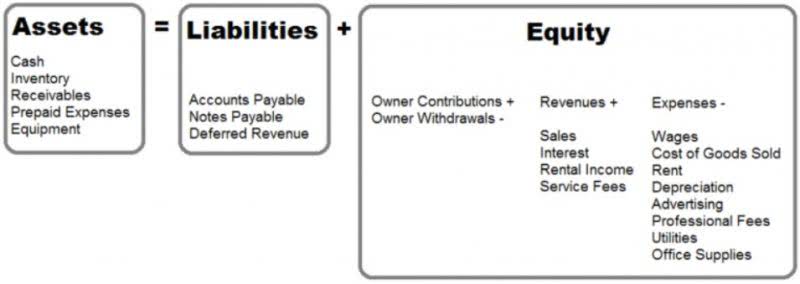
- This dual-entry method ensures that the books remain balanced and accurate.
- Small business owners can manage their finances easily without hiring a bookkeeper, as this method involves minimal bookkeeping.
- Companies should use cloud-based accounting software that generates automatic backups of their data and stores digital files, receipts, tax documents, and invoices.
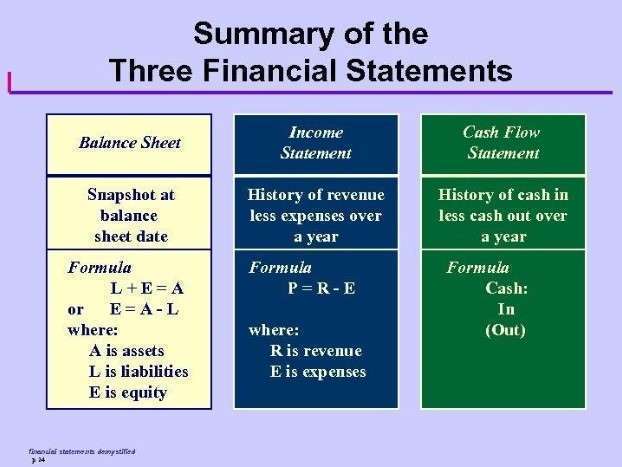
Double-entry accounting is a system of documenting transactions in which each company accounting transaction is recorded, like a debit or credit in two accounts. The debits and credits in a double-entry bookkeeping system must be balanced. Single-entry accounting is a simple bookkeeping system that records each financial transaction once. Businesses track cash flow in and out for a more comprehensive view of your financial health.
- Three types of double entry systems exist the original Italian system, the Venetian system, and the modern one.
- Single-entry and double-entry accounting are helpful bookkeeping methods businesses use to record and manage financial transactions, but the two differ in several functions.
- These are companies that are hoping to grow into large, successful technology, ecommerce and biotech businesses.
- As we mentioned, there are always two or more accounts affected in an entry.
- At Raw Accounting, we understand that every business is different.
- With various departments preferring a double-entry system for their financial record track.
- However, single-entry bookkeeping can also lead to errors and omissions because there is only one transaction record.
Run Parallel Systems Initially:

However, as the business grows and the complexity of transactions increases, double-entry bookkeeping may be essential. Such a Catch Up Bookkeeping system ensures a balance of all transactions, as there is always a debit entry per transaction balanced against a credit entry. There must be a balance in all business transactions, and this is needed in preparing summary financial statements. A simple system requiring slight accounting knowledge is perfect for individuals or small businesses that do not need the burden of complex financial records.
Raw Accounting

With double entry, there are two entries for every transaction since there is something gained in a debit and something lost in a credit. Single entry bookkeeping is ideal for smaller businesses such as entrepreneurs and service-based businesses that have fewer transactions and bring in lower revenue. It’s great for businesses that don’t deal with complex transactions. For example, a small coffee shop might start with single-entry bookkeeping to track daily sales and expenses. As it grows and seeks investors, it might transition to double-entry bookkeeping to manage payroll, inventory, and financial reporting.
- For example, you might add $500 going into a bank account if you sold some goods.
- Another advantage is that it does not require as much documentation as a double-entry system.
- Its financial records show prospective investors that your company has followed standard accounting practices.
- A single-entry bookkeeping system is often used by small businesses and organisations.
- On the other hand, the double-entry system offers comprehensive features to record all kinds of accounts of a business.