
Alcohol Use Disorder and Depressive Disorders
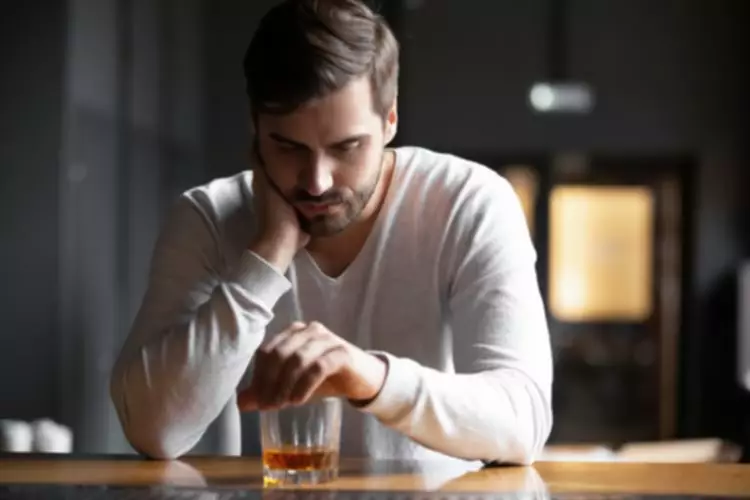
Alcohol can affect the areas of your brain that help regulate emotions. You might start drinking in order to forget what’s on your mind, but once the initial boost begins to wear off, you might end up wallowing in those feelings instead. If you already have depression, you might feel even worse, since alcohol can magnify the intensity of your emotions.
- As with anxiety and mood disorders, it can help for a healthcare professional to create a timeline with the patient to clarify the sequence of the traumatic event(s), the onset of PTSD symptoms, and heavy alcohol use.
- Developing a habit of using alcohol to ease anxiety can cause you to drink more, which can turn into a destructive cycle in which higher levels of anxiety trigger more consumption, further increasing anxiety.
- You can determine whether your patient has AUD and its level of severity using a quick alcohol symptom checklist as described in the Core article on screening and assessment.
- Perhaps 10 percent of men and 10 to 20 percent of women in the general population develop severe anxiety or depressive disorders (Regier et al. 1990); therefore, it would be logical to expect that at least this proportion of alcoholics also would have similar syndromes.
Related Articles
Similarly, the majority of alcoholics admit to experiencing periods of nervousness, including at least 40 percent who have had one or more intense panic attacks characterized by a brief episode of palpitations and shortness of breath (Kushner et al. 1990). Before prescribing medications for depression and anxiety, your doctor should be aware of your medical history and the medications you are currently taking, Sawchuk says. Certain antianxiety drugs, such as buspirone, can be helpful in older adults, according does alcohol make depression worse to the American Association for Geriatric Psychiatry. But some drugs don’t mix well or have harmful effects specifically in older individuals. For instance, short-acting antianxiety drugs known as benzodiazepines, such as Ativan, might not be a good choice for some older adults, since the drugs can boost risk for memory impairment, unsteadiness and falls.
Can Alcohol Make Depression Worse?
- As noted previously, for patients with more severe disorders or symptoms, consult a psychiatrist (one with an addiction specialty, if available) for medication support, as well as a therapist with an addiction specialty for behavioral healthcare.
- There is a significant overlap between anxiety, alcohol misuse, and alcohol use disorder.
- Anywhere from 7% to 10% of the general population has such an allergy, though it affects about 35% of those with Asian backgrounds.
- As part of the nutrition team, she edits and assigns nutrition-related content and provides nutrition reviews for articles.
It’s not unusual for someone to wake up after a night of drinking feeling social embarrassment and regret. Some of the main effects of alcohol intoxication involve disinhibition, increased impulsivity (loss of self-control), and behaviors focusing on current thoughts, feelings, or emotions without regard for social norms. Hangover anxiety can also arise as the brain adjusts to the mental effects of alcohol.
Health Conditions
Research has substantially improved understanding of the etiology, course, and treatment of co-occurring AUD and depressive disorders. However, significant gaps remain in our understanding of these two disorders, and these gaps present important opportunities for future research. A dual diagnosis can be complicated to treat, no matter the circumstances.
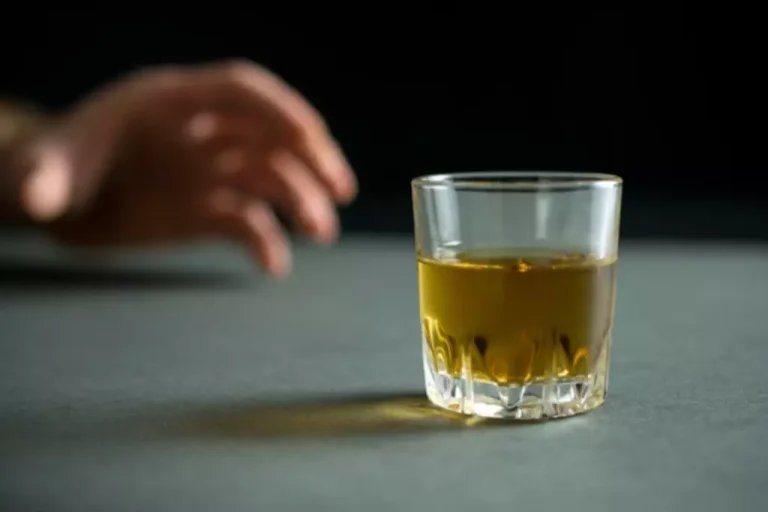
We might unwind with a drink after a stressful day at work, let loose with a couple of drinks at the bar, and start the party with the same. Specific support is also available if you need help with your drinking. Track how much you’re drinking to help spot patterns so you can avoid triggers – the MyDrinkaware app can help. Anxiety can become a health problem if it affects your ability to live your life as fully as you want to. If you are concerned that you or someone you care about has a problem with alcohol there is a lot of help available. Here you can find useful links and phone numbers to get the support you need.
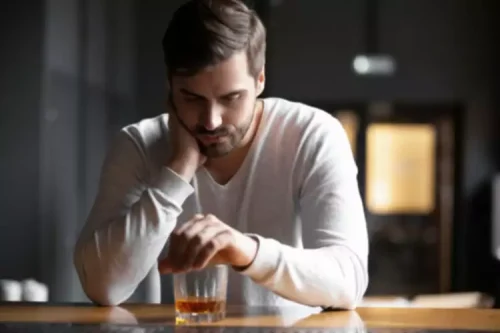
“Depression and alcohol misuse are often tied because we take a depressant to counter a chemical depression which only makes it worse.” If you take medication for anxiety, or you take anti-inflammatory drugs or narcotics, drinking can cause problems with anxiety. You can become agitated and jittery because your body is busy processing the alcohol, which neutralizes the effect of these medications. Drinking what is Oxford House can also cause hangovers, which usually consist of symptoms like nausea, dizziness and headaches. We believe everyone deserves access to accurate, unbiased information about mental health and recovery. That’s why we have a comprehensive set of treatment providers and don’t charge for inclusion.
How we reviewed this article:
Researchers found that those with an anxiety disorder were between 2.1 and 3.3 times as likely to develop alcohol use disorder. When people have anxiety, drinking alcohol might seem like an effective way to cope. And though the immediate effects might lessen some of the worry or dread you feel, this change is short-term, and the long-term consequences can make matters worse.
